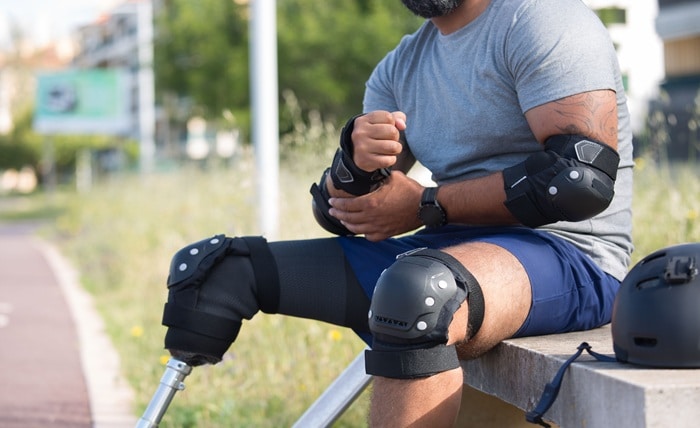
Pain in the knee can make the simplest of daily tasks like normal walking, climbing stairs, exercising or just standing for a long time feel uncomfortable and painful. Figuring the underlying cause of pain is essential.
The use of a knee cap offers individual external support, warmth as well as comfort for those suffering with knee related issues. A knee cap for pain relief is generally designed to prove targeted compression to the knee. It helps provide structural support.
Individuals usually focus on compression level, size or design when they buy. However, there are other things besides this and of how much compression is required when someone needs a knee cap. Moreover, fabric quality is equally important.
A well-designed knee cap should stay in place during movement with adequate airflow and should remain comfortable enough for the intended period of use. Therefore, understanding fabric quality can help you make the right choice with better information.
Why Fabric Quality Matters in a Knee Cap
The knee joint is the biggest joint in a human body that constantly moves during walking, bending, sitting, squatting and exercise. By contrast, a good-quality fabric can provide a combination of stretch, compression, breathability, softness, moisture management as well as durability.
A knee cap should not be viewed as a cure for knee pain. Instead, it is one of the factors that determine whether a supportive knee cap is comfortable and practical for daily use.
Common Fabrics Used in Knee Caps
The best knee for pain relief choice actually varies on how you plan to use the knee cap, the environment as well as your personal comfort preferences.
| Fabric Type | Main Characteristics | Best Suited For | Possible Limitation |
| Cotton blend | Soft, comfortable and skin-friendly | Everyday and light use | May retain moisture more than technical fabrics |
| Neoprene | Flexible, supportive and heat-retaining | Exercise and users who prefer warmth | Can feel warm in hot weather |
| Nylon blend | Lightweight, stretchy and durable | Daily wear and active movement | May feel less soft than cotton |
| Polyester blend | Durable and often moisture-managing | Exercise and prolonged activity | Quality varies considerably by construction |
| Elastic knit | Stretchy and form-fitting | Walking and general support | Excessive stretching can reduce compression over time |
| Breathable performance fabric | Designed for airflow and moisture management | Long periods of activity | Usually depends on fabric construction and quality |
Why Breathability is a Main Factor in Comfort
Breathability is actually one of the most important features of a knee cap for pain relief. Exercise literally leads to the knee feeling hot and sweaty. However, a breathable knee cap allows for better airflow, making it more comfortable.
Softness and Skin Comfort
A knee cap is in constant contact with skin, therefore softness matters. When the knee is repeatedly bending, a rough fabric, poorly finished seams or stiff edges can cause rubbing and irritation. Individuals should look for a knee cap with:
- Smooth inner surfaces
- Soft or well-finished seams
- Comfortable edges
- Minimal unnecessary friction
- Fabric that does not feel scratchy
- A construction that moves naturally with the knee
Stretch and Flexibility
Along with your knee, a good knee cap should also move rather than hindering its movement. Flexibility is more important for the knee, especially during walking, cycling, light exercise and climbing stairs. An overly stiff knee cap can restrict natural movement. While one that is too loose may fail to provide the desired compression.
Why a Tight Compression Does Not Always Mean Better
A major benefit of using a knee sleeve is compression that offers a feeling of support. It is also helpful to reduce swelling or discomfort. But it is not necessary that tight compression would always be better.
Proper sizing is as crucial as fabric quality. Measure your knee using the manufacturer’s size recommendations for guidance and select size based on the recommended guidelines.
Fabric Quality and Durability of a Knee Cap
Durability varies by fiber type, thread thickness, elastic recovery, stitch size, and finishing of goods.
| Quality Feature | Why It Matters | What to Look For |
| Elastic recovery | Helps the knee cap retain its shape | Fabric returns to shape after stretching |
| Breathability | Decreases heat and moisture buildup | Air-permeable or breathable construction |
| Moisture management | Helps keep skin drier | Moisture-wicking or quick-drying fabric |
| Softness | Improves skin comfort | Smooth inner surface and comfortable seams |
| Stretch | Allows natural knee movement | Flexible four-way or multi-directional stretch |
| Edge construction | Helps prevent rolling and rubbing | Smooth, reinforced or comfortable edges |
| Stitching | Affects durability and irritation | Flat, secure and well-finished seams |
| Wash resistance | Maintains performance over time | Fabric that retains shape after repeated washing |
Choosing the Best Knee Cap for Different Needs
Actually there is no single knee cap that can be perfect for everyone. The choice of using the best knee cap should depend on your activity level as well as the type of comfort you want. Such as:
- A lightweight, breathable and flexible fabric for everyday walking.
- For exercise, opt for stretch, moisture management as well as secure construction.
- The use of breathable, lightweight as well as moisture-wicking fabrics can lessen sweat accumulation, especially for hot and humid climates.
- For extended wear, use a knee cap which is made from breathable fabric.
Final Thoughts
Individuals searching for the best knee cap for pain relief, fabric quality also deserves as much attention as compression and design. With the right balance of flexibility, breathability, moisture-wicking capability and also durability should be offered by a comfortable knee cap.
A breathable material can actually be beneficial when you are wearing it in hot weather or during prolonged activities. It can also be useful to manage knee discomfort, but do not ignore ongoing or unexplained pain. Incorporating a knee cap with the appropriate activity, exercise as well as supportive aid offers a more effective long-term approach than relying on a knee cap alone.